





Explain what are the classifications of industrial cooling fans?
The working principle of the cooling fan is realized by energy conversion, namely: electric energy → electromagnetic energy → mechanical energy → kinetic energy. The circuit principle is generally divided into various forms, and the performance of the fan will be different if the circuit used is different.
1. Fans can be classified into several types according to the materials used, such as iron casing fans (ordinary fans), glass fiber reinforced plastic fans, plastic fans, aluminum fans, stainless steel fans, etc.
2. Fan classification can be divided into centrifugal, axial flow, diagonal flow (mixed flow) and cross flow according to the direction of gas flow.
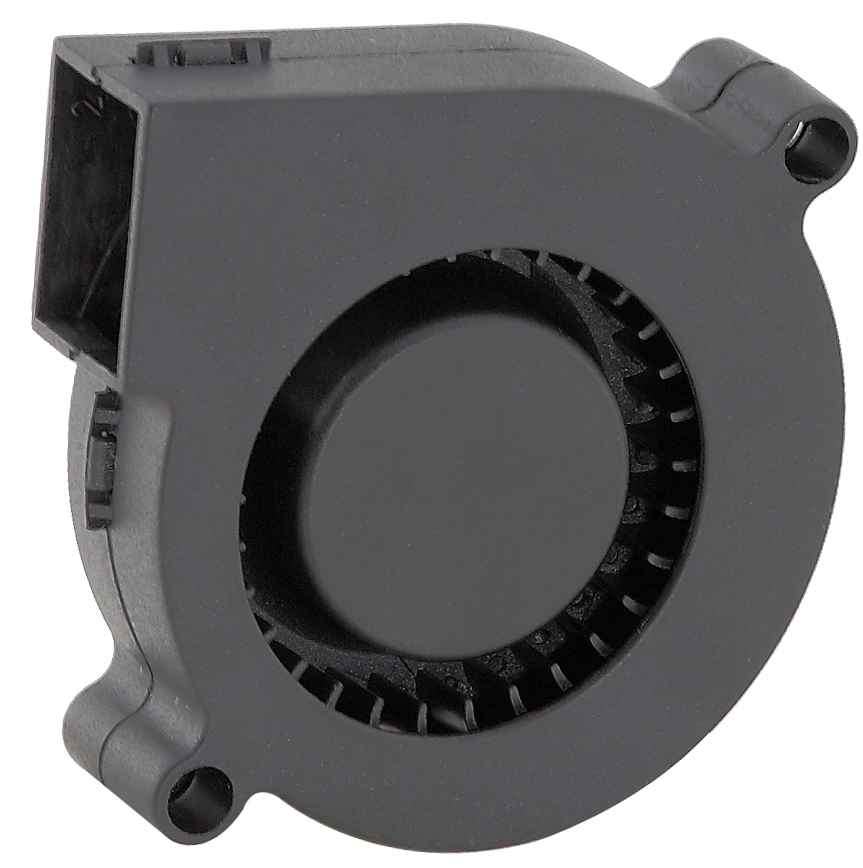
(1) Centrifugal fan. After the air enters the impeller of the fan axially, it flows mainly in the radial direction. This type of fan is made according to the principle of centrifugal action. Products include centrifugal fans, centrifugal blowers and centrifugal compressors.
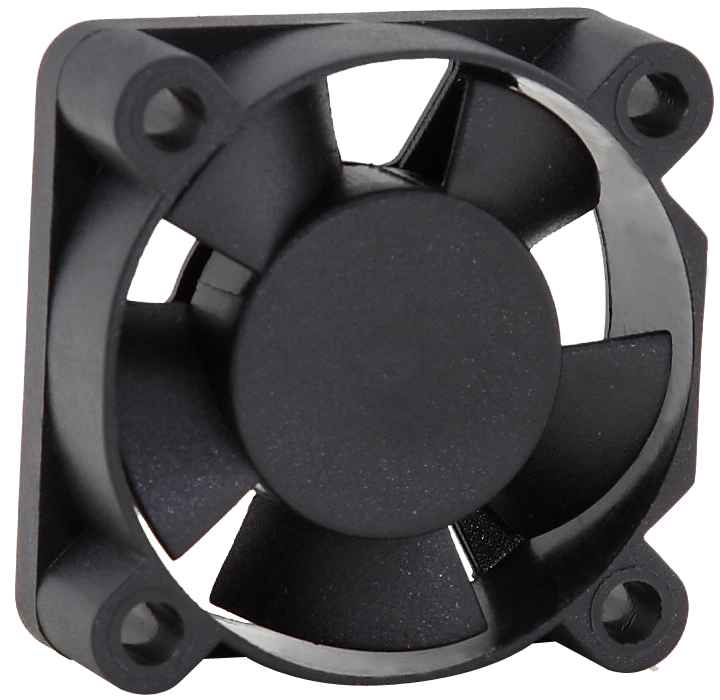
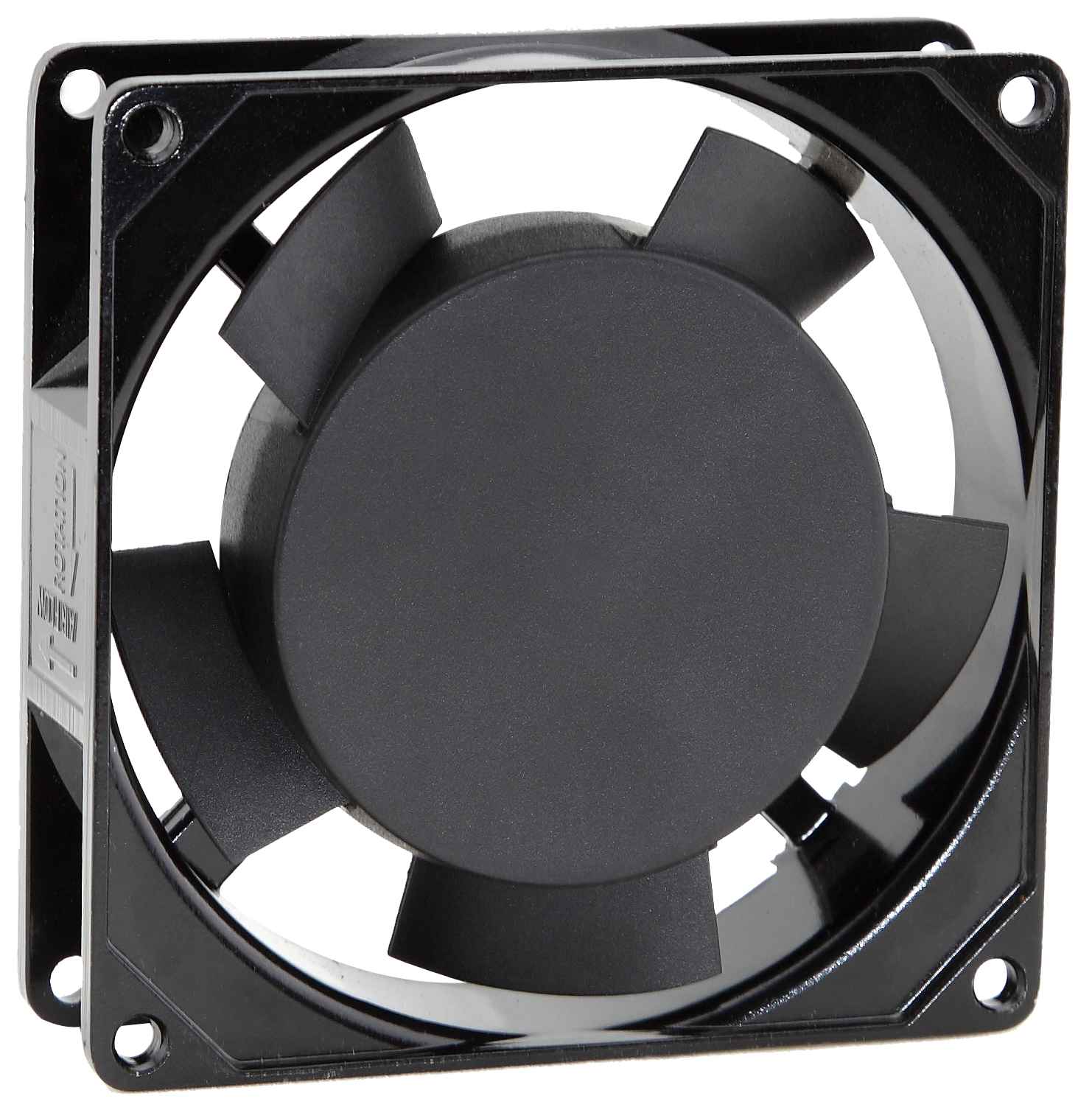
(2) Axial fan. The airflow enters the impeller of the fan axially and flows approximately in the axial direction on a cylindrical surface. Such fans include axial flow fans, axial blowers and axial compressors.
(3) Rotary fan. Use rotor rotation to change the air chamber volume to work. Common varieties are Roots blower and rotary compressor.
3. Fans are divided into axial flow fans, centrifugal fans and diagonal (mixed flow) fans according to the flow direction of the airflow into the impeller.
4. Fans are divided into press-in local fans (hereinafter referred to as press-in fans) and flameproof motors placed outside or in the flow channel according to their uses, and the flameproof motors are placed in the explosion-proof sealed cavity. Fan).
5. The fan can also be divided into single-stage, double-stage or multi-stage pressurized fans according to the pressurized form. For example, 4-72 is single-stage pressurization, and high-end fans are multi-stage pressurization fans.
6. Fans can be divided into: axial flow fans, mixed flow fans, roof fans, air-conditioning fans and so on.
7. Fans can be divided into low-pressure fans, medium-pressure fans, and high-pressure fans by pressure.
8. According to the outlet pressure (boost), it is divided into: fan (≤15,000 Pa), blower (1.5~350,000 Pa), compressor (≥350,000 Pa).
Fans are widely used for ventilation, dust exhaust and cooling of factories, mines, tunnels, cooling towers, vehicles, ships and buildings; ventilation and induced air for boilers and industrial furnaces; cooling and ventilation in air conditioning equipment and household appliances ; Drying and selective delivery of grains; Air source of wind tunnel and inflation and propulsion of hovercraft.

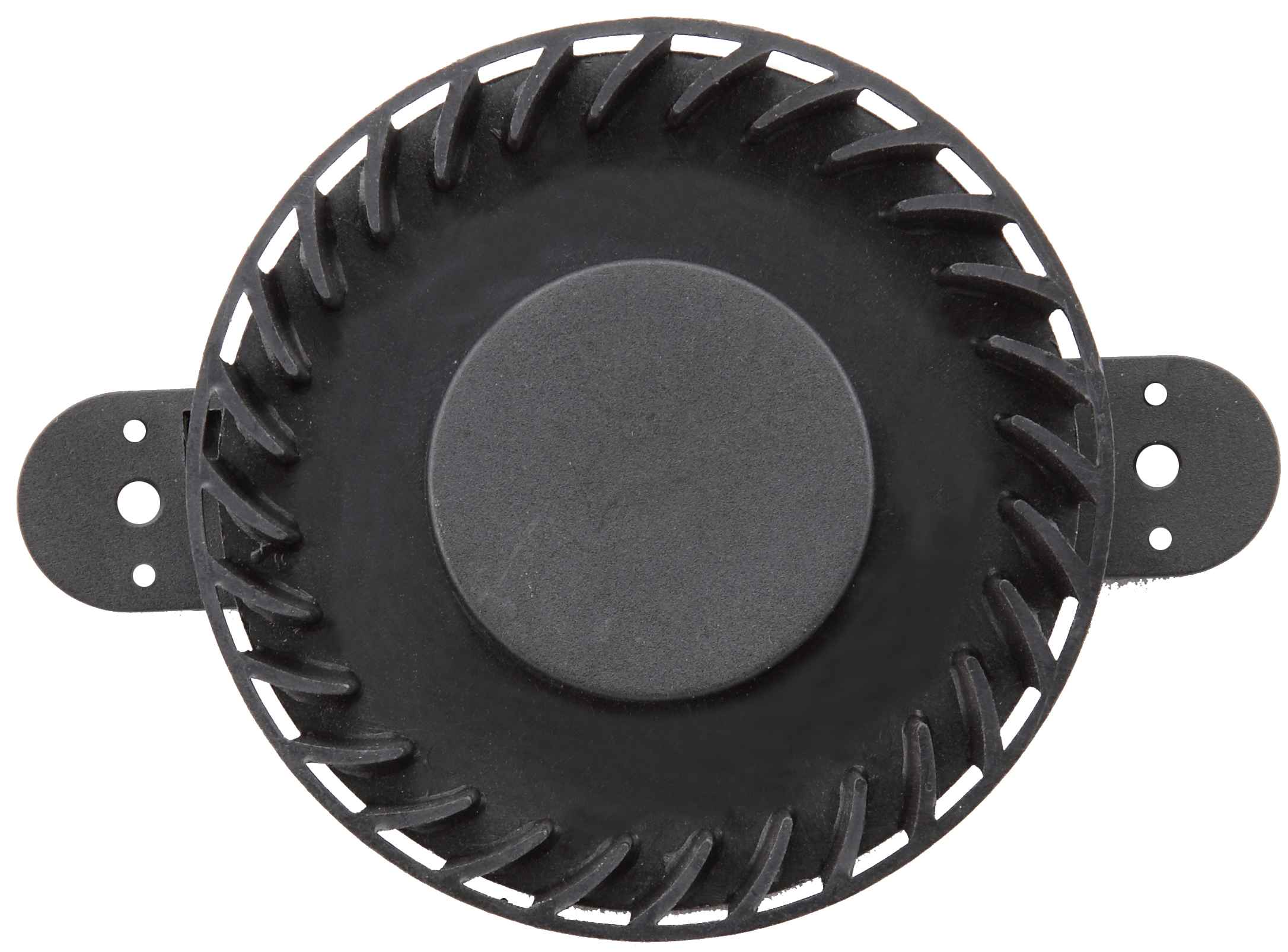 How to choose an ultra-thin cooling fan?
 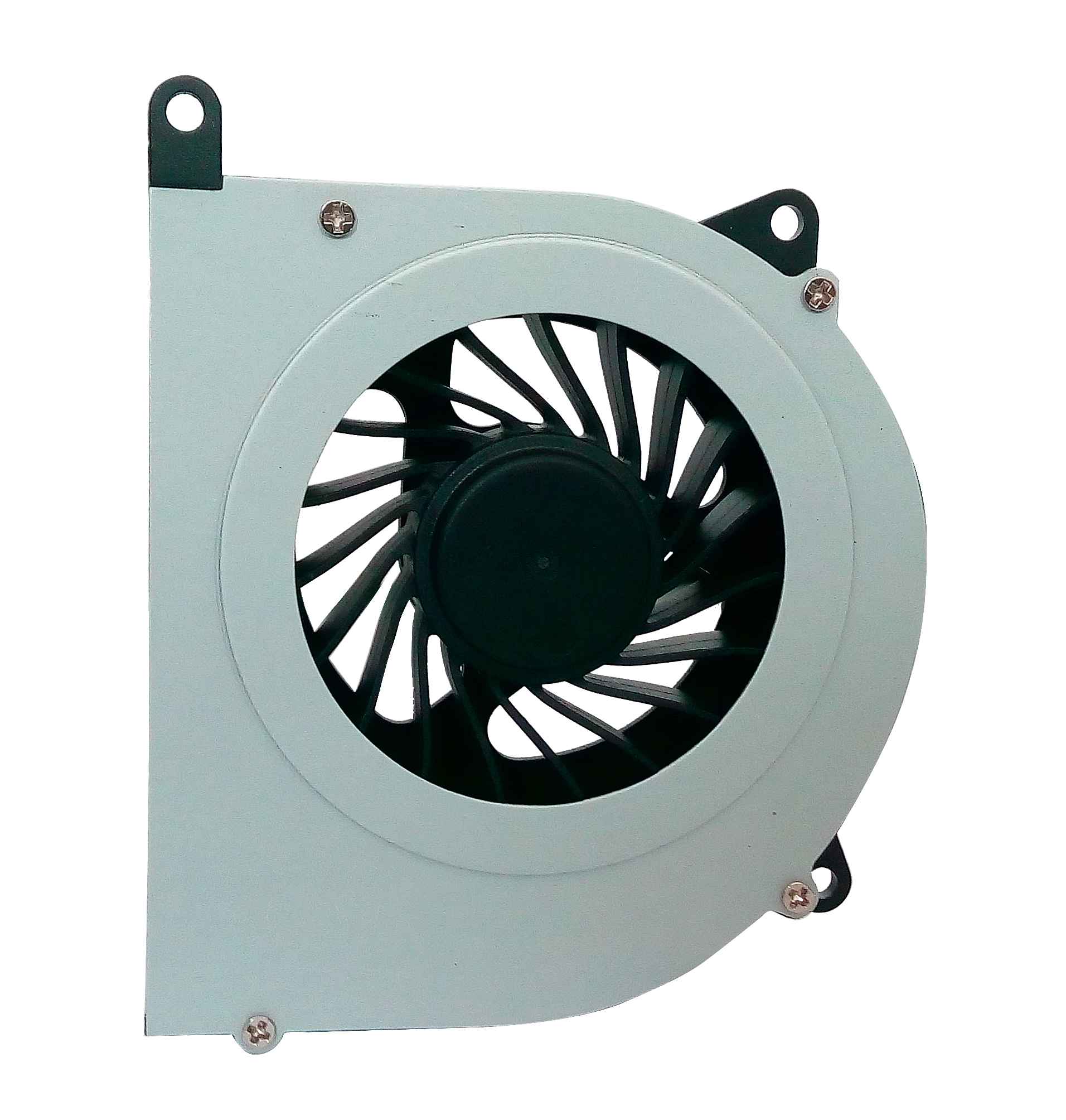 Why is the development of cooling fans in China so fast?
 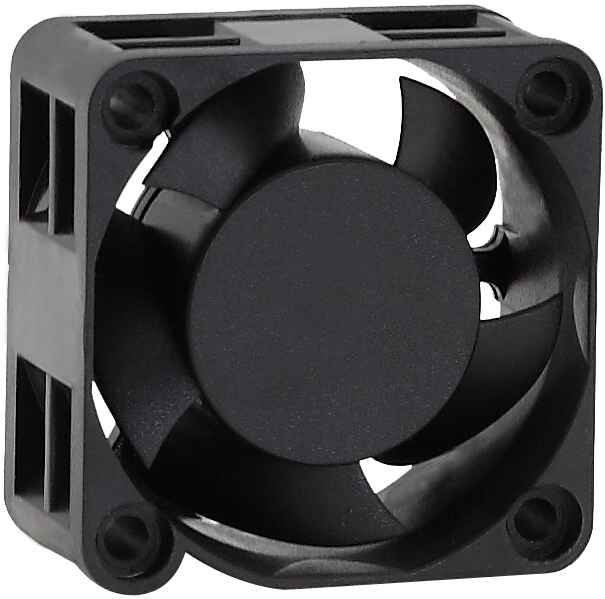 How to choose a computer cooling fan?
 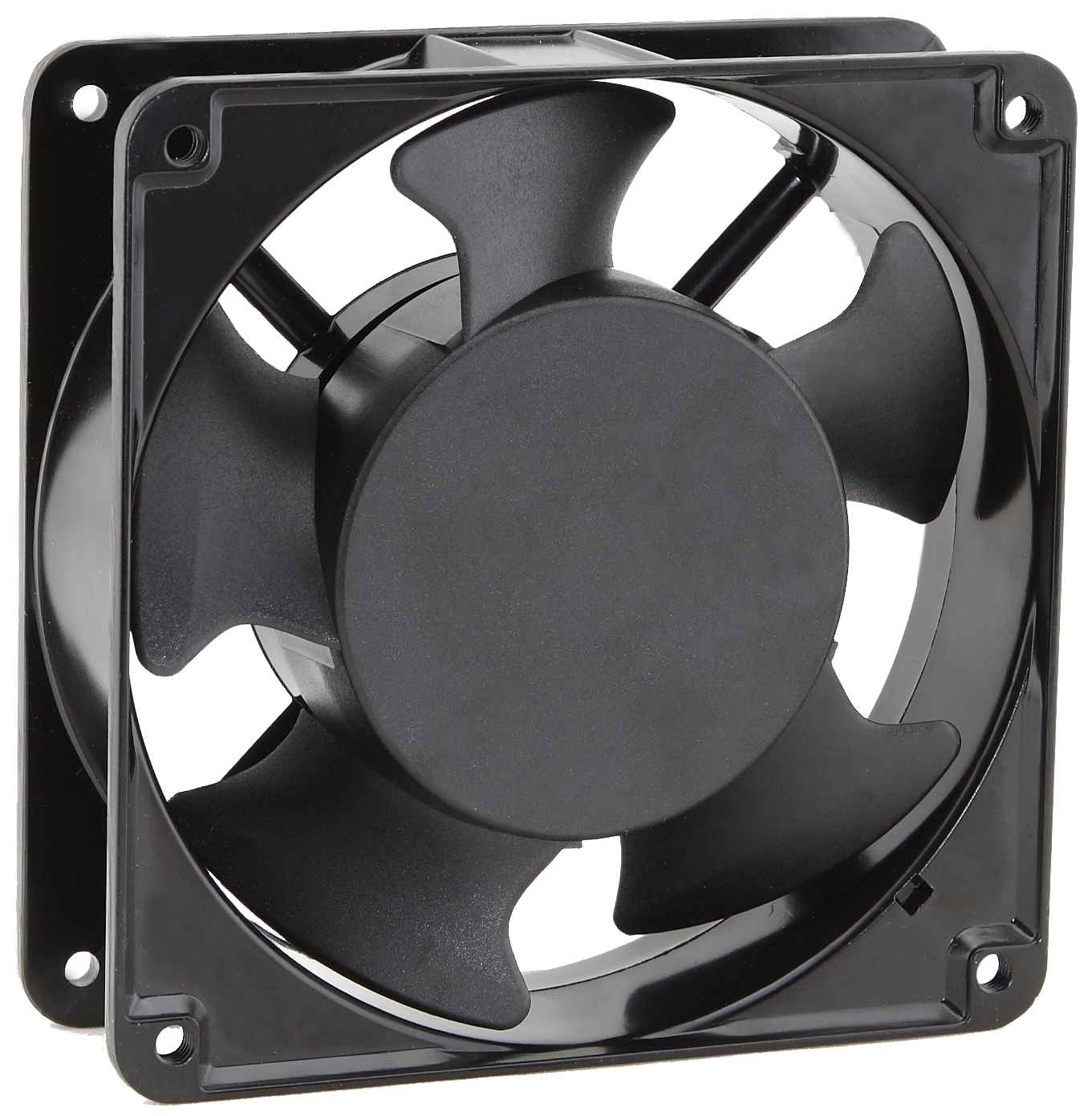 How to choose a CPU cooling fan?
 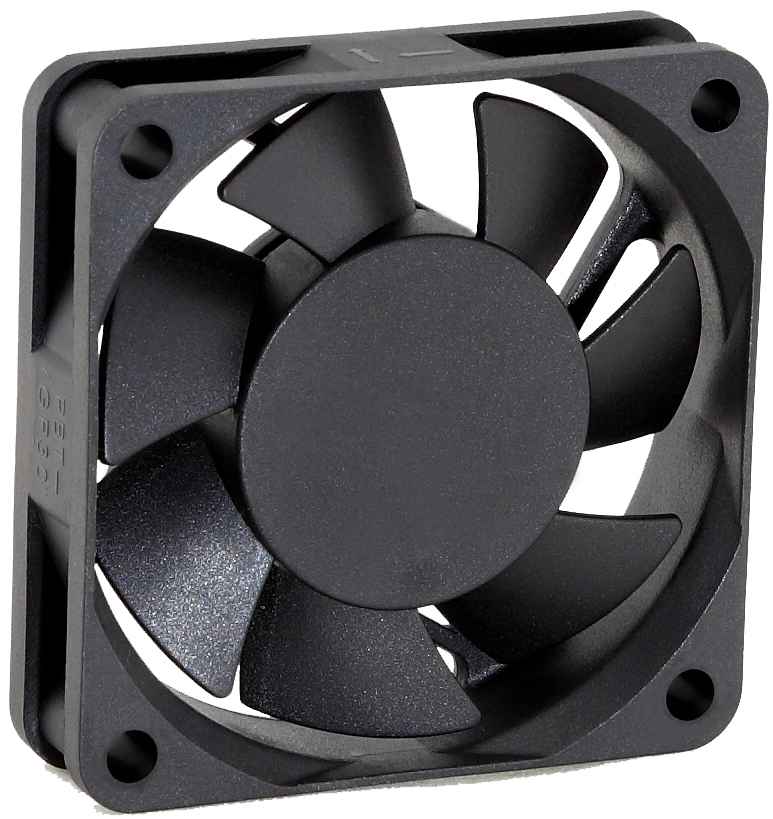 What are the precautions and working principles of DC cooling fans?
 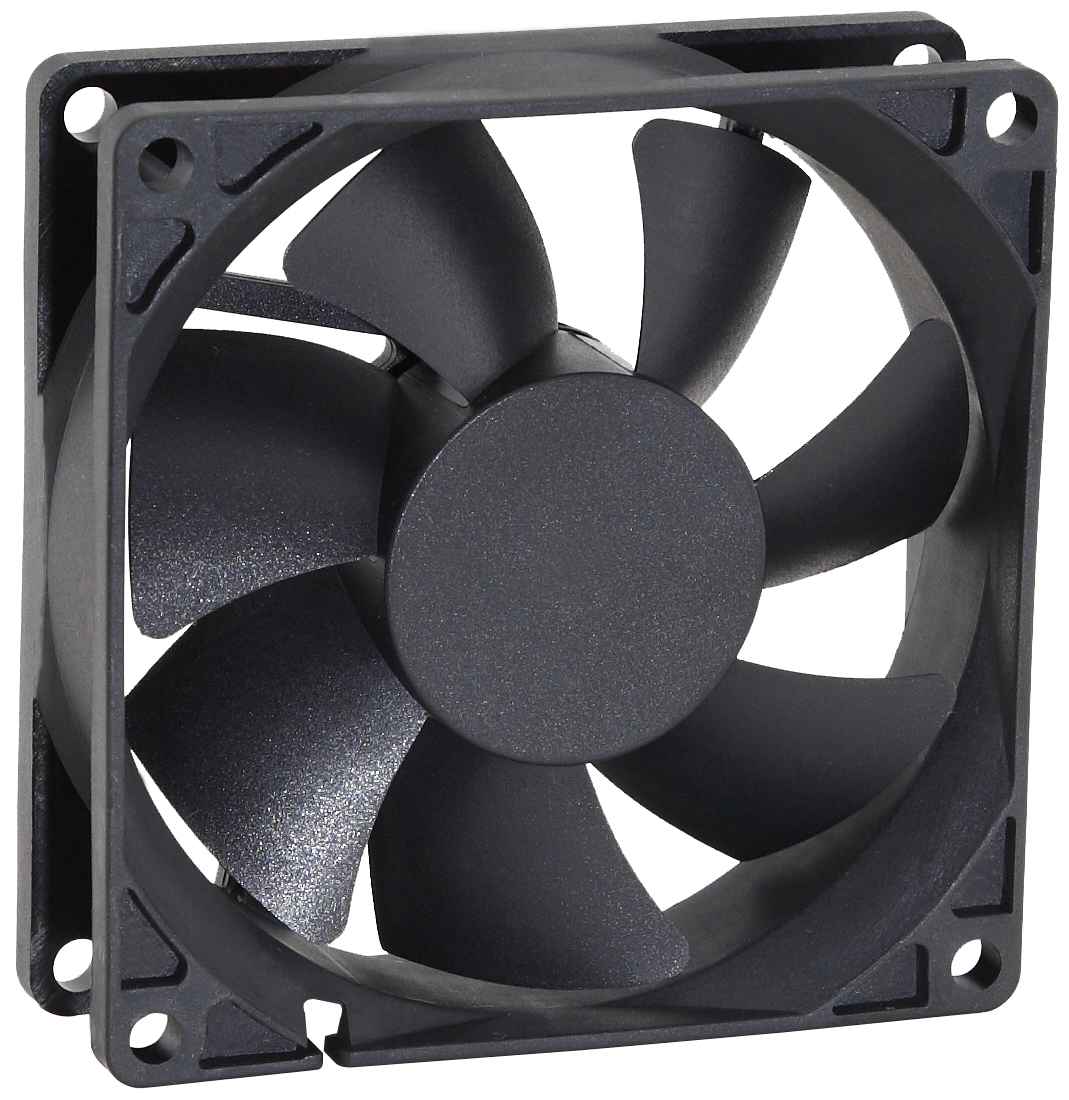 What are the characteristics of a supercharged DC cooling fan?
 - How did you solve these problems of micro cooling fans?
- Where is the AC cooling fan?
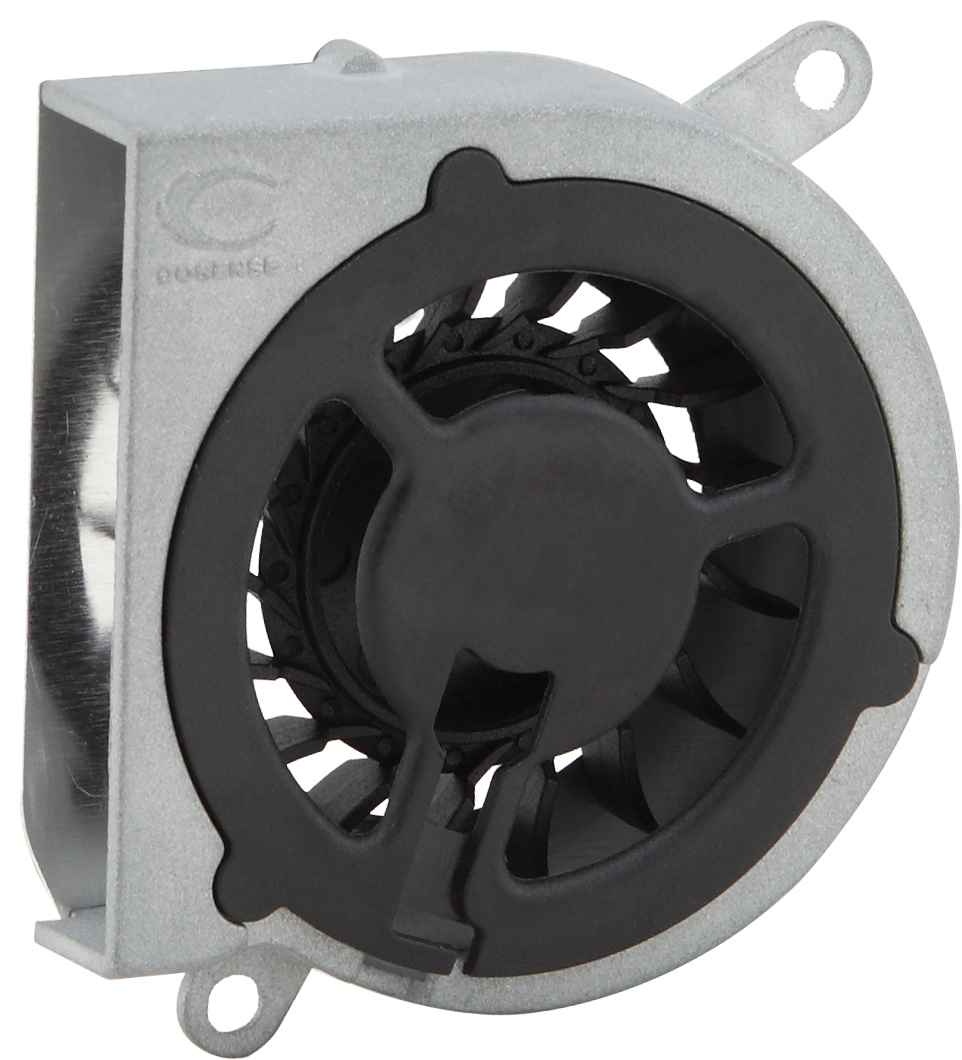 What is the difference between a DC cooling fan and an AC cooling fan?
 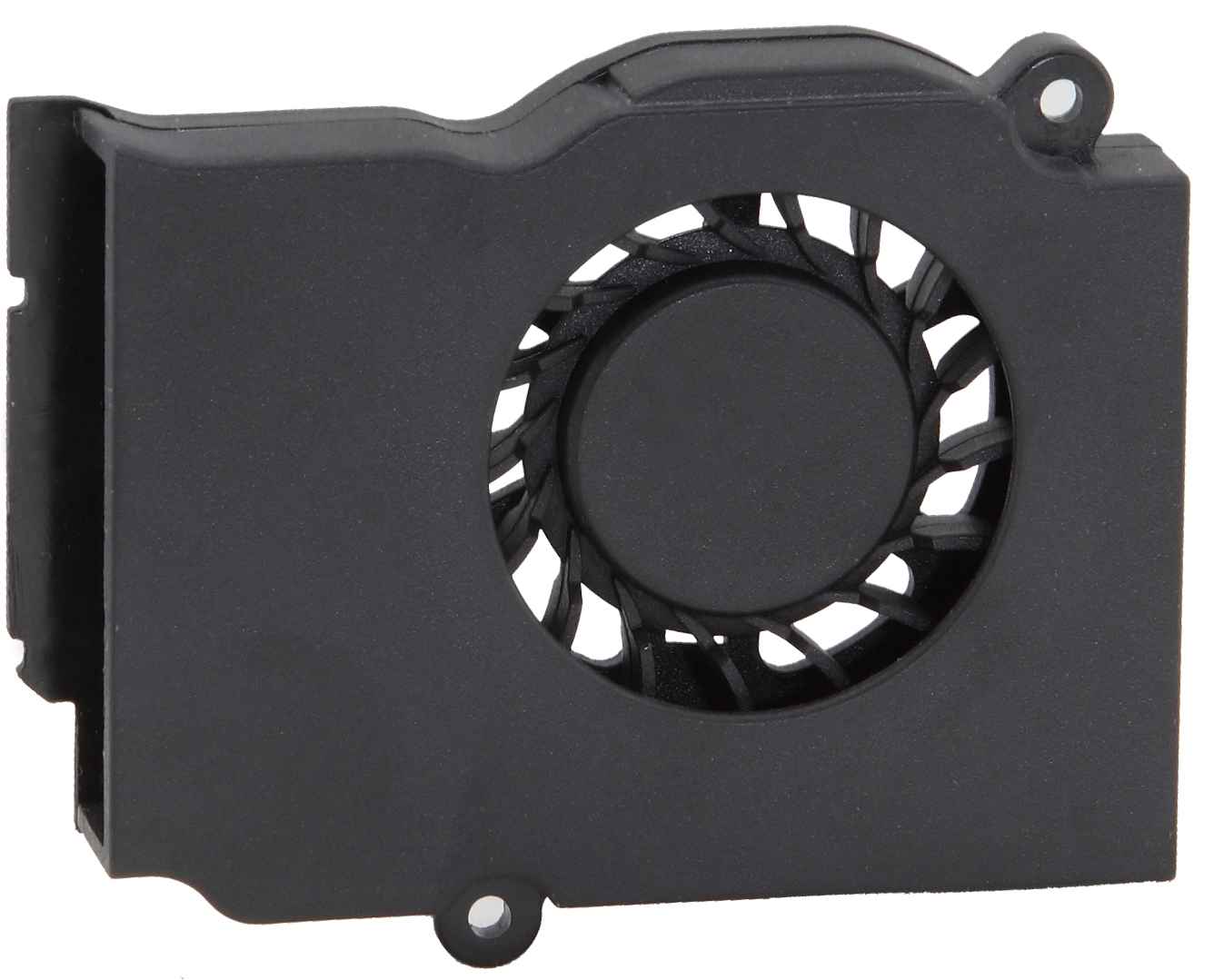 Tell me about the advantages and performance of DC cooling fans?
  The price of cooling fans on the market is uneven. What are the main factors that affect their prices?
  How to better improve the quality of the cooling fan?
  What is the difference between a DC cooling fan and an AC cooling fan