





How did you solve these problems of micro cooling fans?
2020-07-25
How did you solve these problems of micro cooling fans?
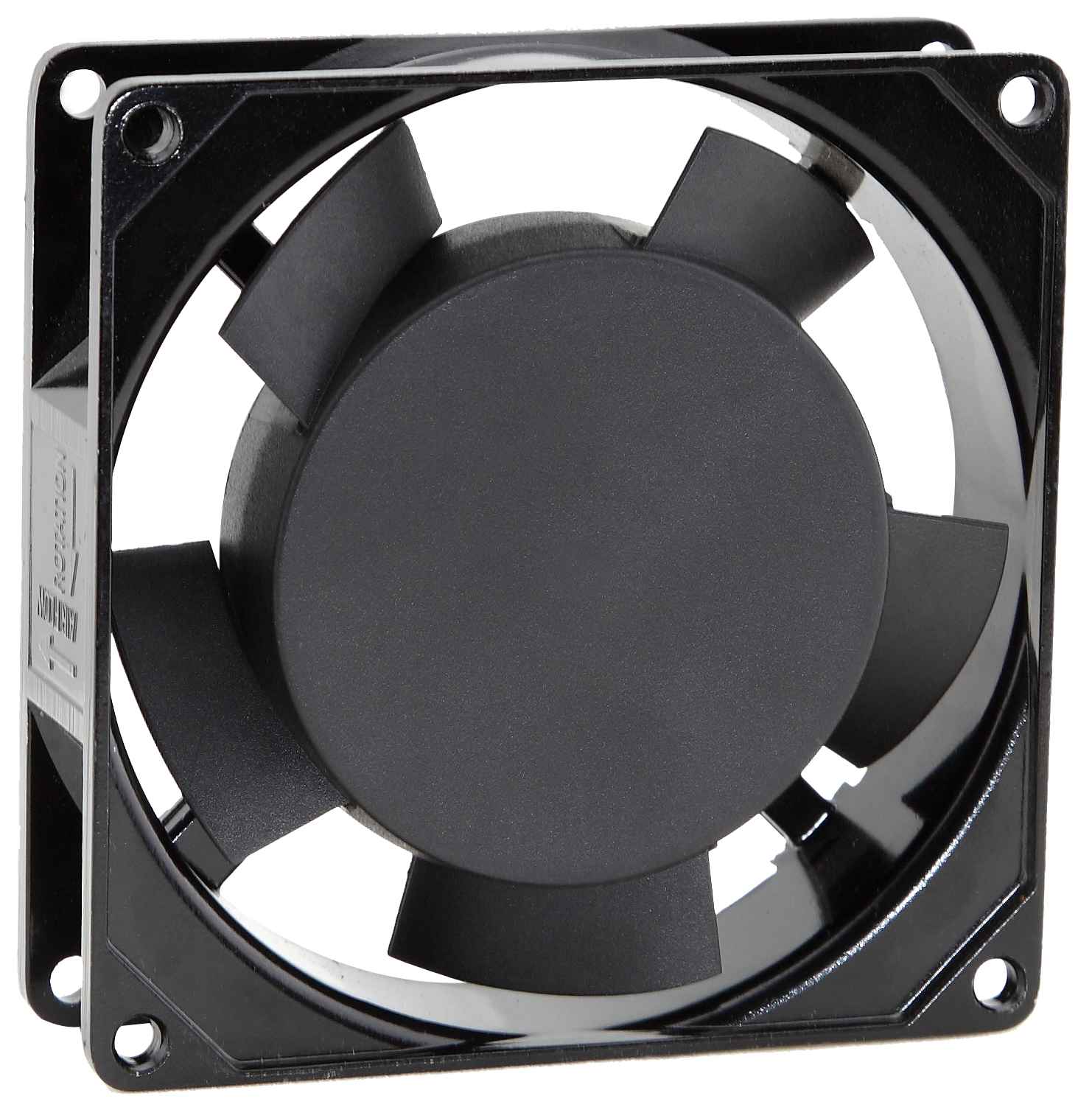
For, because of the long working hours every day, in order to prolong the life of the cooling fan and reduce the interference of dust on the cooling fan, many customers require the cooling fan to be dustproof. For some large-scale cooling fan manufacturers, such as the commonly used 8CM and 9CM cooling fans in computers, it is possible to do dust-proof and waterproof treatment. It is enough to seal the motor, because there is enough space.
For ultra-thin miniature fans below 10mm, such as 20*20*6, 30*30*7mm and other specifications, their thickness is only 7mm. If you need to add a dustproof inside the fan blade and outside the motor It is really not easy to cover the motor completely, because the space is too small.
Aiming at the dust-proof problem of miniature cooling fans, Yirongchuan Technology recommends that customers use our ultra-thin double-ball cooling fans. The balls are imported from Japan and are not easy to enter. As long as there is no dust, coils and PCB accessories in the bearings, Dust also has little effect, so it has a strong dust-proof ability to ensure that the life of the cooling fan is more than double that of the cooling fan with oil bearing.
The noise index of a micro fan is an important parameter that customers are more concerned about. Generally, when a manufacturer provides a micro fan, it will also provide the corresponding specification. One of the items is the noise value in decibels (db). Then, the micro fan manufacturer How to control fan noise? The noise of the micro fan mainly controls the following two items.
First, the wind noise when the fan is running (this is related to the speed, the speed is high, the wind noise is louder), so the wind noise can be effectively controlled by controlling the speed of the micro fan. Regarding wind noise, Yirongchuan Technology asked to focus on the organization and built a soundproof room with a background noise of 16DB. Because there is almost no sound, we call it an anechoic room, and then remove the micro-fan without other noises. The distance of the sensor is 100 cm, and the noise value is tested.
Second, the mechanical noise, friction, electromagnetic sound, and jittering sound other than wind when the fan is rotating are all content to be controlled. For mechanical noise, friction sound, and electromagnetic sound, we use human ear audiometry in a relatively quiet soundproof room. The shaking sound is tested by hand-feel sample comparison.
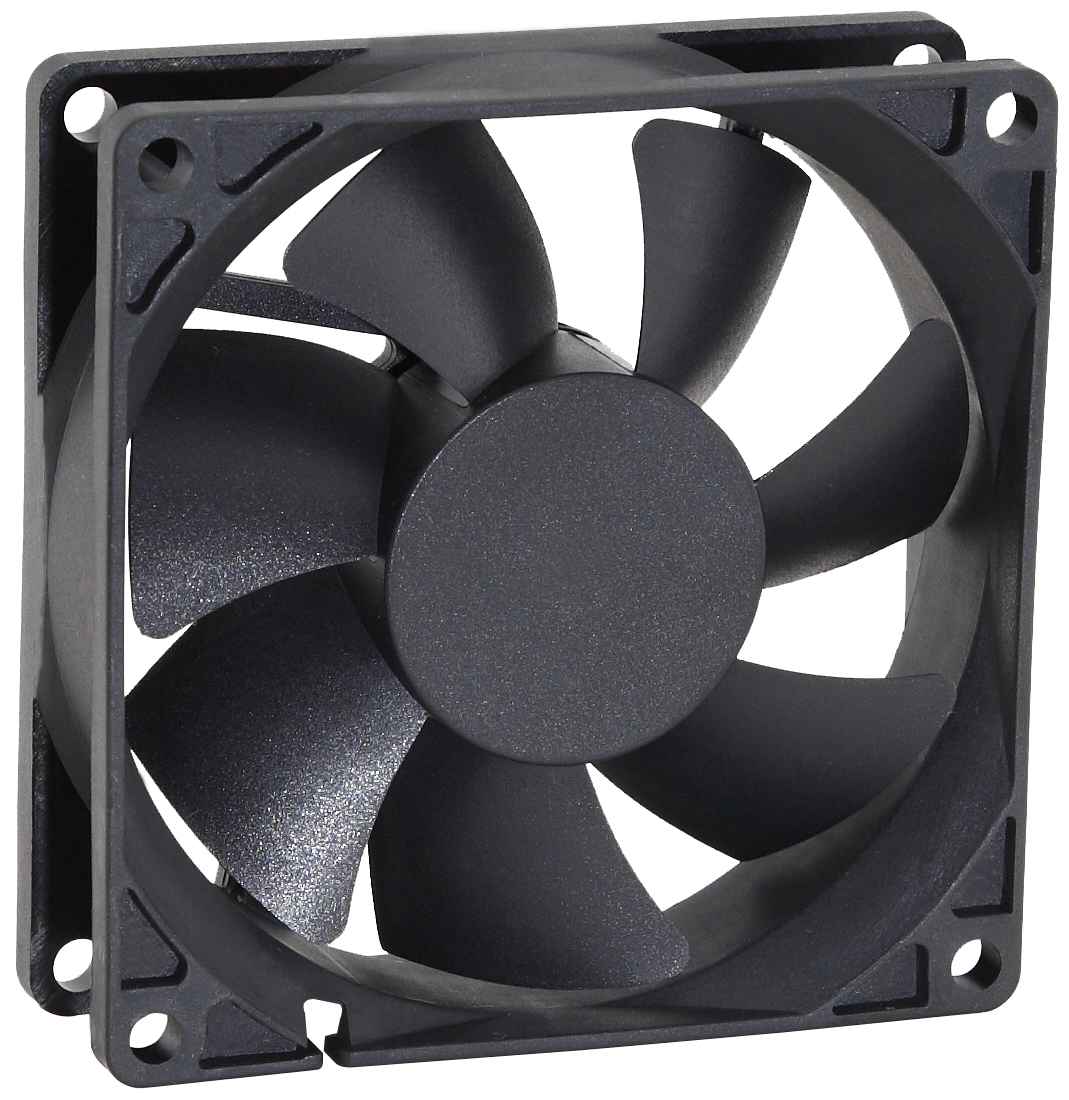
For, because of the long working hours every day, in order to prolong the life of the cooling fan and reduce the interference of dust on the cooling fan, many customers require the cooling fan to be dustproof. For some large-scale cooling fan manufacturers, such as the commonly used 8CM and 9CM cooling fans in computers, it is possible to do dust-proof and waterproof treatment. It is enough to seal the motor, because there is enough space.
For ultra-thin miniature fans below 10mm, such as 20*20*6, 30*30*7mm and other specifications, their thickness is only 7mm. If you need to add a dustproof inside the fan blade and outside the motor It is really not easy to cover the motor completely, because the space is too small.
Aiming at the dust-proof problem of miniature cooling fans, Yirongchuan Technology recommends that customers use our ultra-thin double-ball cooling fans. The balls are imported from Japan and are not easy to enter. As long as there is no dust, coils and PCB accessories in the bearings, Dust also has little effect, so it has a strong dust-proof ability to ensure that the life of the cooling fan is more than double that of the cooling fan with oil bearing.
The noise index of a micro fan is an important parameter that customers are more concerned about. Generally, when a manufacturer provides a micro fan, it will also provide the corresponding specification. One of the items is the noise value in decibels (db). Then, the micro fan manufacturer How to control fan noise? The noise of the micro fan mainly controls the following two items.
First, the wind noise when the fan is running (this is related to the speed, the speed is high, the wind noise is louder), so the wind noise can be effectively controlled by controlling the speed of the micro fan. Regarding wind noise, Yirongchuan Technology asked to focus on the organization and built a soundproof room with a background noise of 16DB. Because there is almost no sound, we call it an anechoic room, and then remove the micro-fan without other noises. The distance of the sensor is 100 cm, and the noise value is tested.
Second, the mechanical noise, friction, electromagnetic sound, and jittering sound other than wind when the fan is rotating are all content to be controlled. For mechanical noise, friction sound, and electromagnetic sound, we use human ear audiometry in a relatively quiet soundproof room. The shaking sound is tested by hand-feel sample comparison.
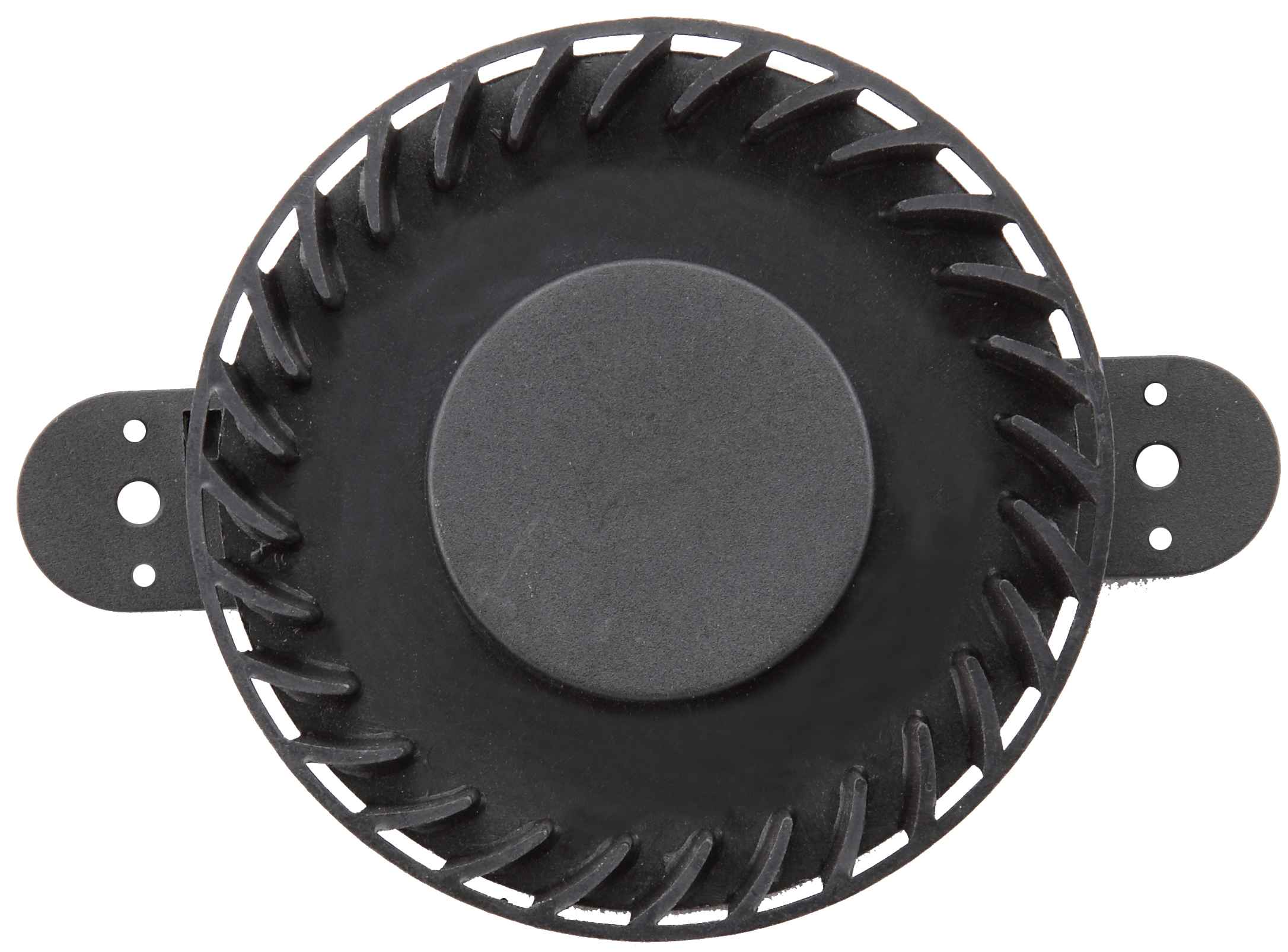 How to choose an ultra-thin cooling fan?
 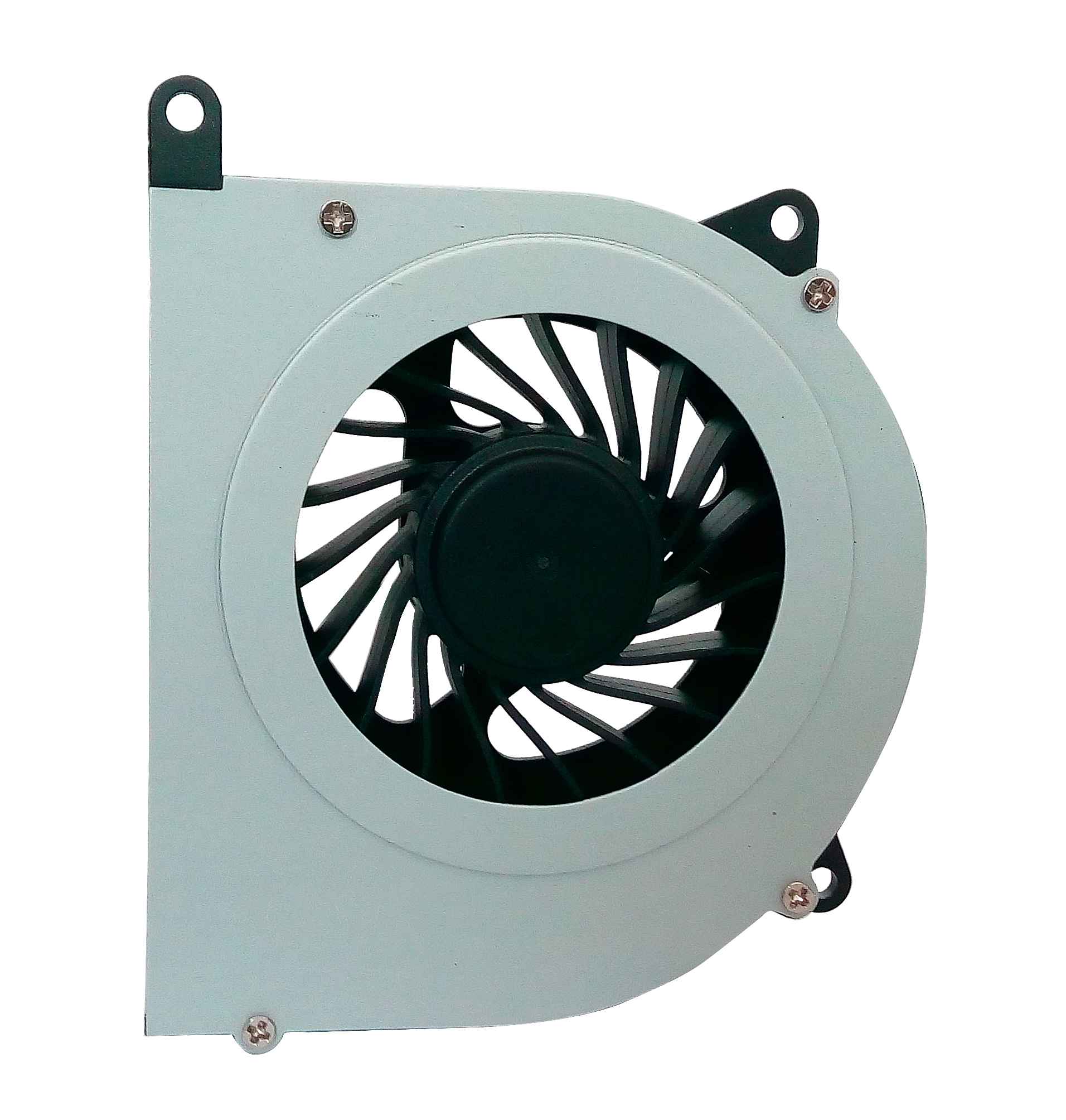 Why is the development of cooling fans in China so fast?
 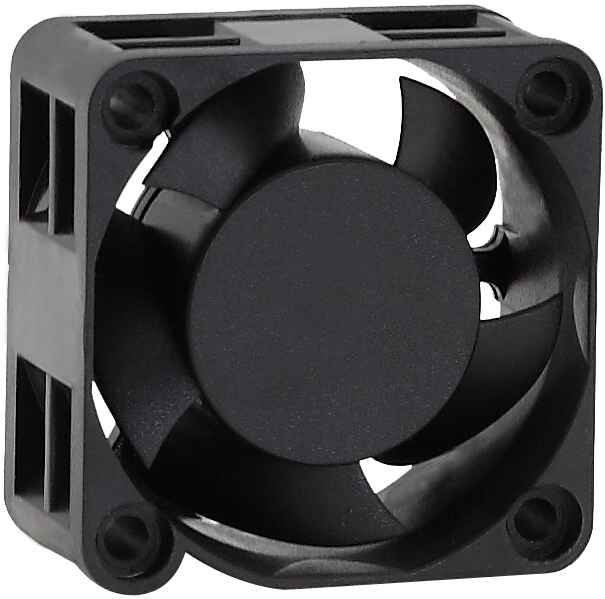 How to choose a computer cooling fan?
 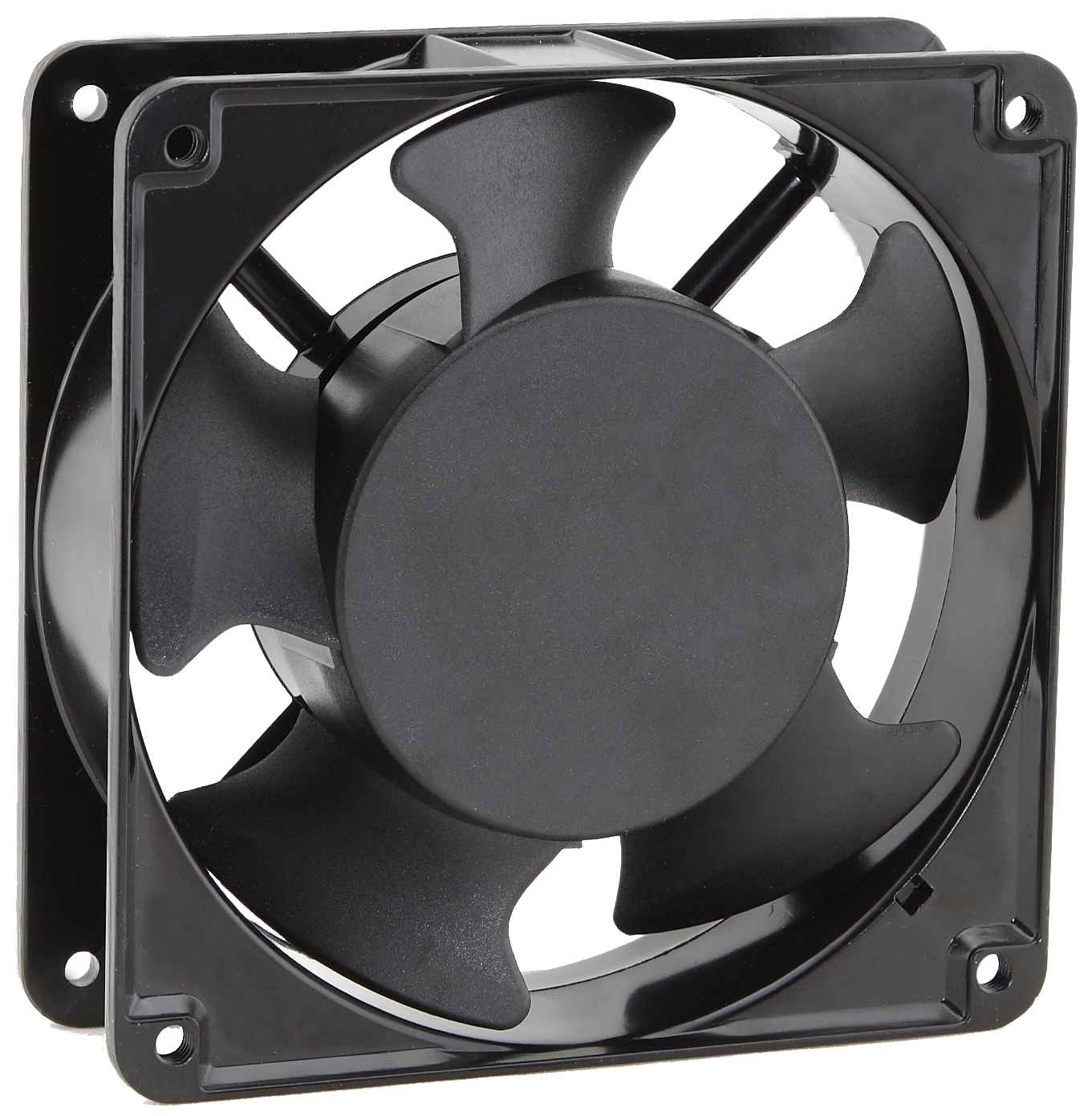 How to choose a CPU cooling fan?
 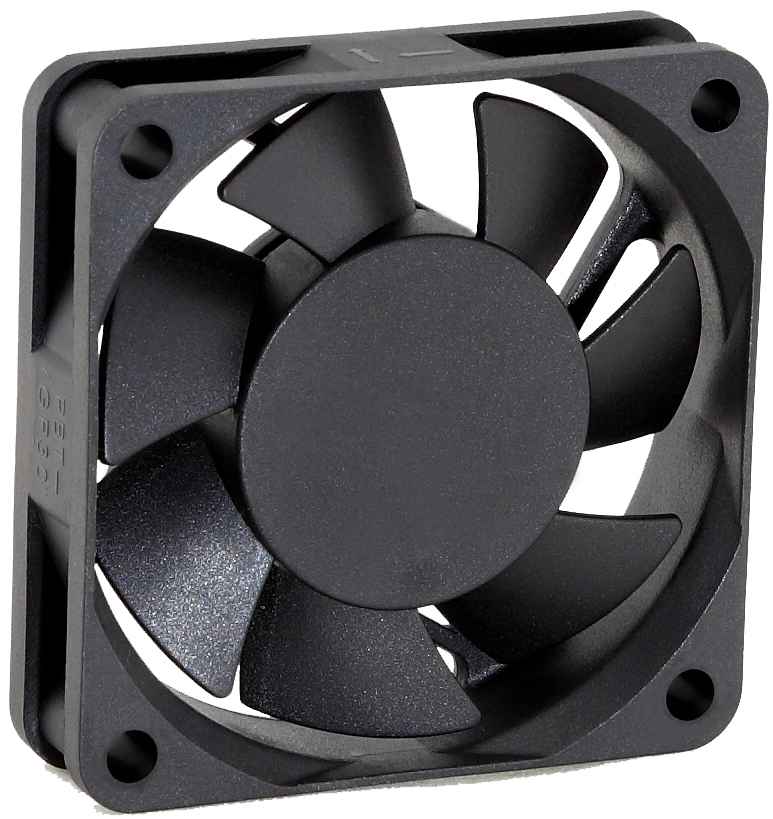 What are the precautions and working principles of DC cooling fans?
 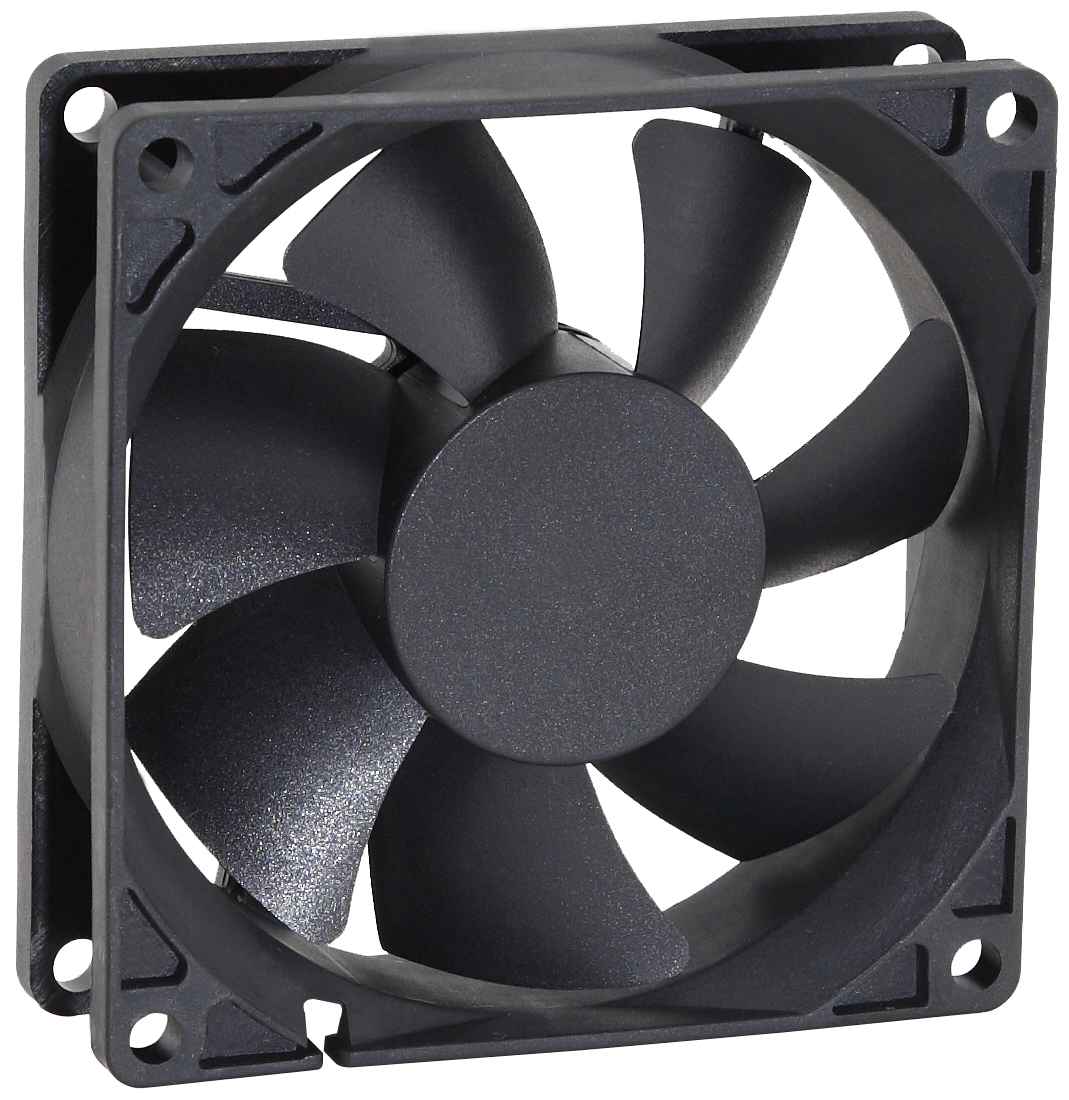 What are the characteristics of a supercharged DC cooling fan?
 - Where is the AC cooling fan?
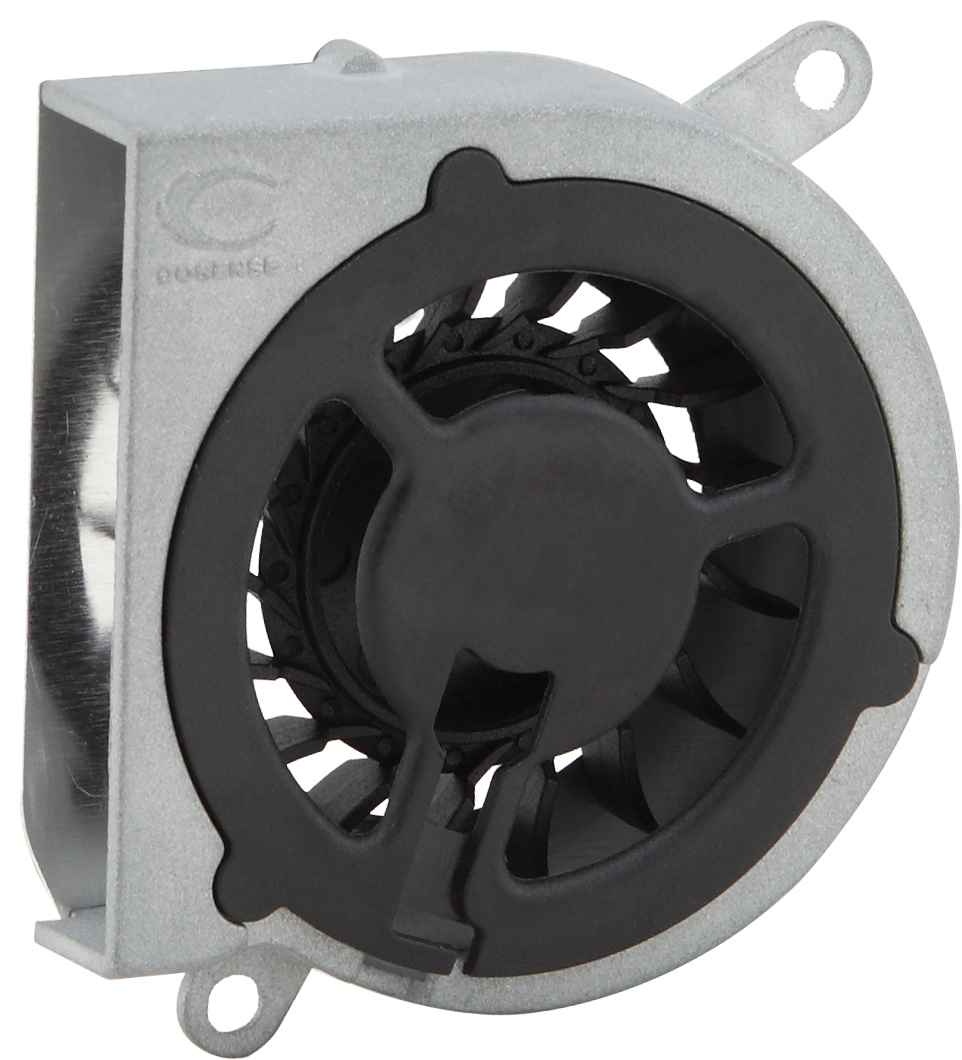 What is the difference between a DC cooling fan and an AC cooling fan?
  Tell me about the advantages and performance of DC cooling fans?
  The price of cooling fans on the market is uneven. What are the main factors that affect their prices?
  How to better improve the quality of the cooling fan?
  Explain what are the classifications of industrial cooling fans?
  What is the difference between a DC cooling fan and an AC cooling fan